Understanding the Importance of Drainage Surveys
Drainage surveys play a crucial role in the maintenance and management of any property’s infrastructure, especially in densely populated regions like Surrey and London. With the potential for significant financial implications arising from drainage issues, conducting a thorough Drainage Survey Surrey can provide invaluable insights. These surveys utilize advanced technologies to visually assess the condition of underground drainage systems, identifying potential problems before they escalate into costly repairs.
What is a Drainage Survey?
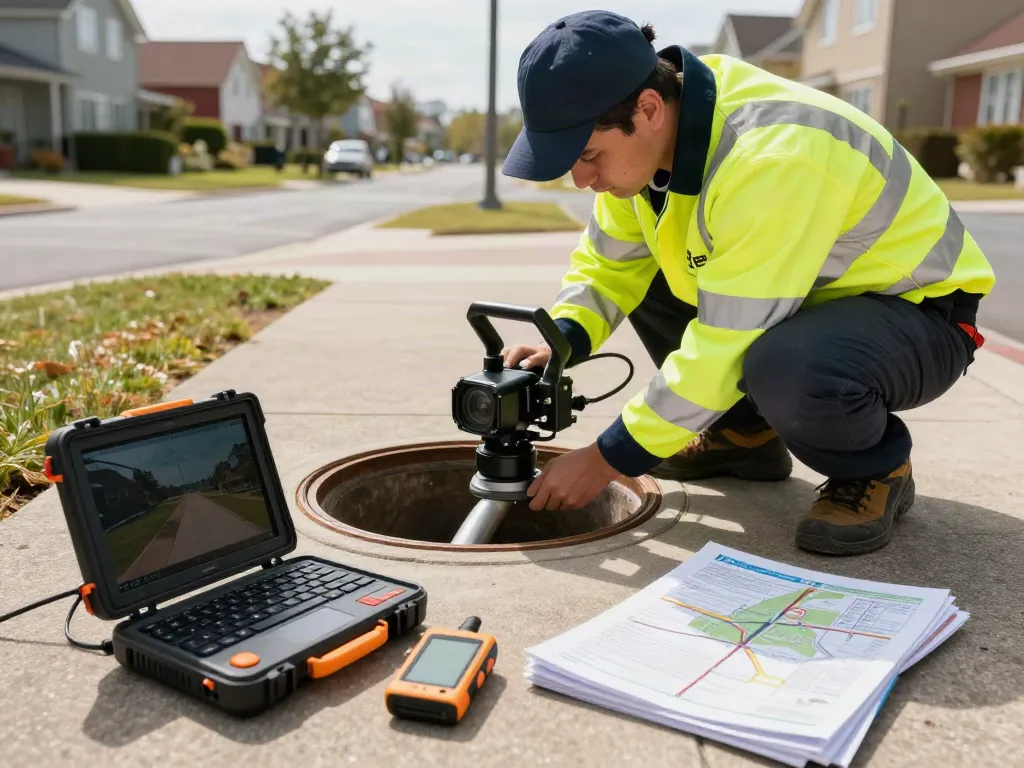
A drainage survey is a detailed inspection of a drainage system using tools such as CCTV cameras. This method allows surveyors to examine the integrity and condition of pipes without needing to excavate or disturb the ground. The primary goal is to identify blockages, damaged pipes, or any structural defects that could lead to failures in the system. Understanding the layout and condition of these systems is essential for effective maintenance and future planning.
Significance of Regular Drainage Checks
Regular drainage checks are critical for both residential and commercial properties to prevent severe issues that could arise from neglected drainage systems. Over time, factors such as tree roots, sediment build-up, and aging infrastructure can lead to significant blockages or pipe collapses. By scheduling routine inspections, property owners can ensure that their drainage systems remain functional and prevent any unexpected maintenance costs.
Potential Issues Revealed by Drainage Surveys
Drainage surveys can uncover a variety of issues, including:
- Blockages: Caused by debris, fat, or other substances that restrict water flow.
- Damage to pipes: Corrosion or cracks that can lead to leaks or failures.
- Misalignments: Slight shifts in the ground can cause pipes to become misaligned, leading to improper flow.
- Tree root intrusion: Roots can penetrate pipes, creating blockages and damage.
Choosing the Right Drainage Survey Service
Selecting a competent drainage surveyor is essential for obtaining accurate results and effective solutions. With many options available, it is crucial to consider various factors to ensure you choose the right provider.
Factors to Consider When Selecting a Service Provider
When evaluating potential drainage survey providers, consider the following:
- Experience: Look for companies with a strong track record and experience in conducting drainage surveys, particularly in your area.
- Technology: Ensure they use the latest technology, such as high-quality CCTV cameras and CAD software for reporting.
- Accreditations: Verify that they hold relevant certifications, ensuring compliance with industry standards.
- Client Reviews: Check customer testimonials or reviews to gauge the reliability and quality of their services.
Comparing Local Drainage Surveyors in Surrey
Surrey is home to numerous drainage surveyors, each offering various services and expertise. Comparing local providers can yield advantages such as quicker response times and lower travel costs. Be sure to explore their offerings and how they can cater to specific needs, whether for commercial properties or residential homes.
Understanding Accreditation and Qualifications
When choosing a drainage survey provider, understanding their qualifications is paramount. Accreditation from recognized industry bodies indicates the company adheres to professional standards, ensuring a level of quality in their surveys and reports. Look for memberships in organizations such as:
- The National Association of Drainage Contractors (NADC)
- The Drainage and Wastewater Management Association
Advanced Technologies in Drainage Surveying
The field of drainage surveying has evolved significantly, leveraging advanced technologies to improve accuracy and efficiency. These innovations help surveyors deliver comprehensive insights into underground systems.
The Role of CCTV in Drain Inspections
CCTV plays a vital role in modern drainage inspections. Using high-definition cameras, surveyors can capture real-time footage of the inside of pipes, identifying issues such as blockages, leaks, and structural problems without invasive methods. This non-destructive approach saves time and reduces the costs associated with traditional surveying methods.
Benefits of Using CAD Software for Reporting
In addition to CCTV technology, CAD software enhances the reporting capabilities of drainage surveys. By providing clear visuals of the drainage layout, including pipe size, flow direction, and any detected issues, CAD drawings improve understanding and planning for repairs or upgrades. These detailed reports are essential for property developers and architects when making decisions regarding construction projects.
Innovations in Drainage Survey Equipment for 2026
As we look toward the future, innovations in drainage surveying equipment are set to transform the industry. Advancements may include AI-driven analysis tools that can predict potential problem areas based on historical data, leading to more proactive maintenance strategies. Additionally, improvements in drone technology may facilitate quicker and more efficient surveys of large or complex sites.
Common Misconceptions About Drainage Surveys
Despite the importance of drainage surveys, several misconceptions may deter property owners from seeking these vital services.
The Cost vs. Value of Professional Surveys
Many property owners view drainage surveys as an unnecessary expense. However, the cost of neglecting drainage issues far exceeds the price of a survey. Early detection can prevent costly repairs and potential liability from water damage.
Myths Surrounding Drainage Issues
Common myths include the belief that new constructions do not require drainage surveys. In reality, no property is immune to drainage problems, and new builds can also experience issues that a survey could identify early on.
Understanding Survey Processes and Timing
Some may think that drainage surveys are lengthy or intrusive, but modern methods typically involve quick processes that cause minimal disruption. A standard CCTV survey usually takes a few hours, depending on the size and complexity of the system.
Future Trends in Drainage Surveying
The drainage surveying industry continues to evolve, and staying abreast of future trends can help property owners and professionals effectively manage their systems.
Emerging Technologies and Their Impact
With ongoing advancements, emerging technologies such as smart sensors and IoT devices are expected to enhance monitoring capabilities. These technologies can provide real-time data on system performance, enabling immediate action when issues arise.
Predictions for the Drainage Industry in 2026
As we approach 2026, we anticipate a shift toward more sustainable practices within the drainage industry. Eco-friendly materials and methods for repairs and replacements will likely become standard, aligning with broader environmental goals.
Preparing for Changes in Regulations and Standards
With an increased focus on infrastructure and environmental protection, property owners should prepare for evolving regulations affecting drainage management. Staying informed and compliant will be crucial for avoiding penalties and ensuring system integrity.